The Digital Nomad's Guide to Co-Living in Makati
If you're a remote worker researching your next base in Southeast Asia, co living space Makati keeps coming up. The city has the infrastructure and the community that nomads need to stay productive. But where you actually sleep and work from matters just as much as the city itself.
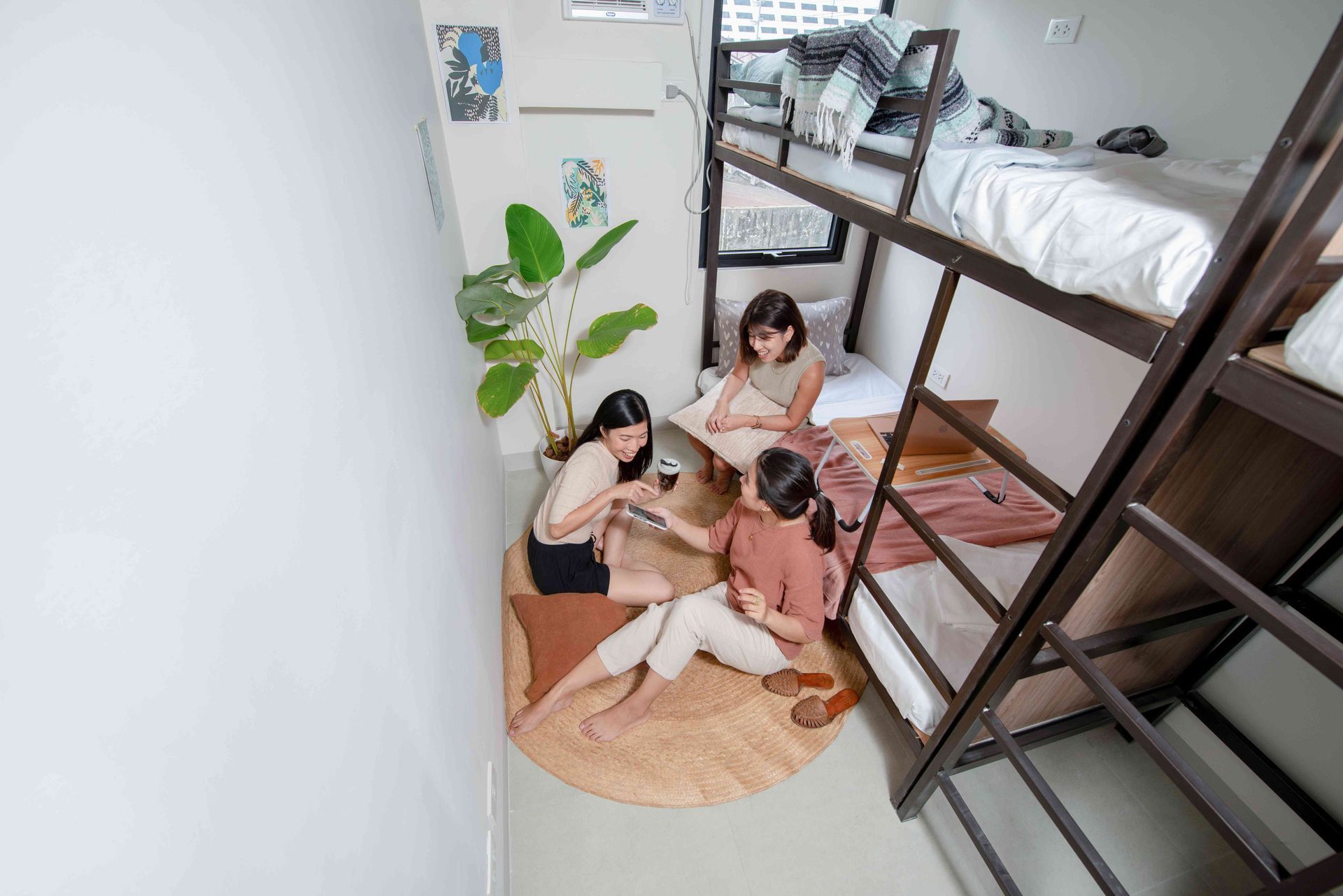
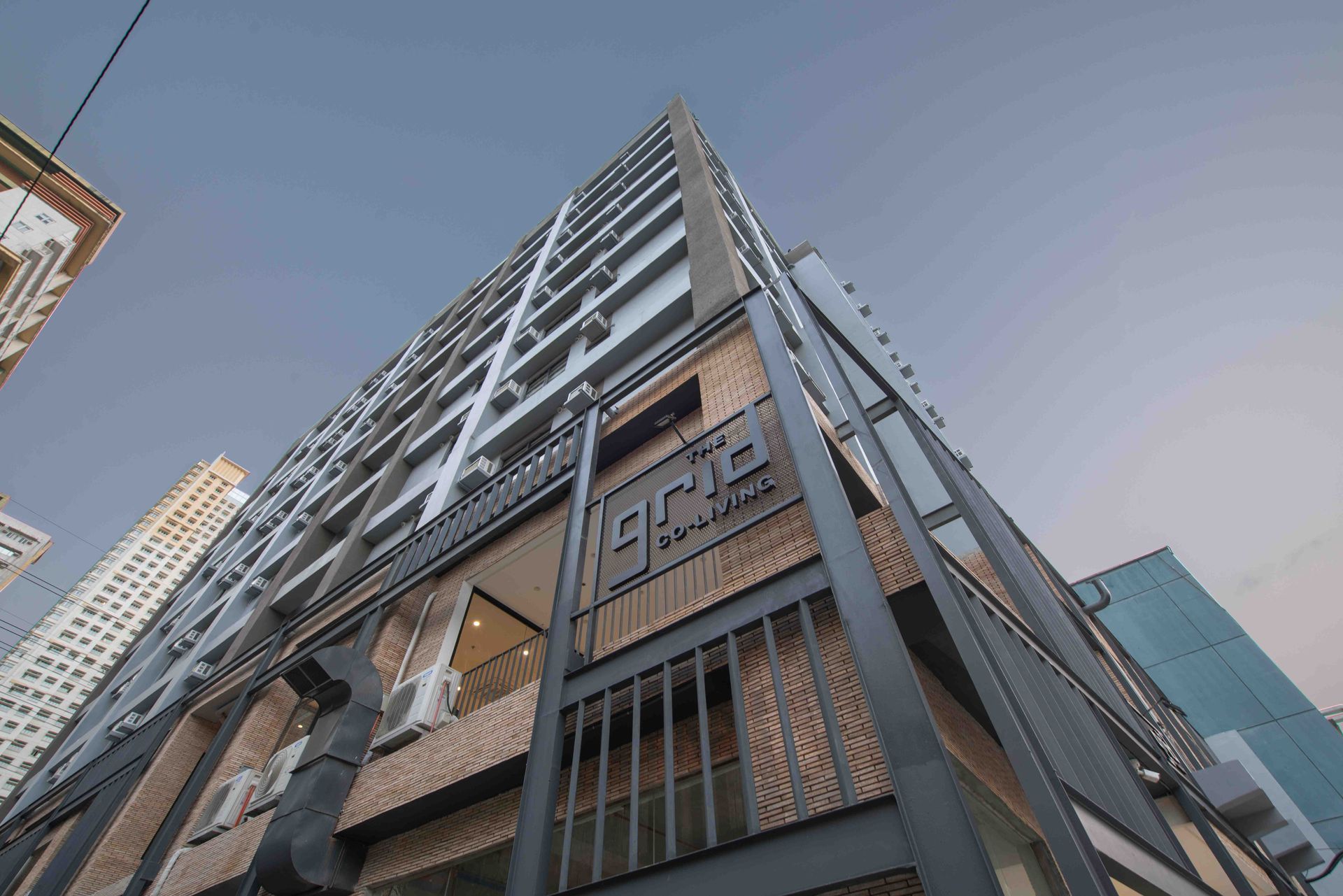
The Grid is a coliving Makati community built around what remote workers actually need: fast WiFi, a dedicated co-working lounge, flexible booking options, and a building full of people who understand the freelance rhythm. Whether you're planning a two-week sprint or a three-month stay, this guide covers what you need to know about living and working from Makati.
Why Makati Works for Remote Workers
Not every Southeast Asian city is genuinely nomad-ready but Makati is. The Ayala CBD has reliable power, strong mobile data coverage, and a walkable core that makes car-free living practical. English is widely spoken, the food scene is varied and affordable, and the time zone sits comfortably for teams based in Australia, Japan, Singapore, and parts of Europe.
Most people time their Manila stay for the dry season, and it's the right call. Easier to get around, and you can lock in a monthly rate before the crowds push prices up. Land before the rains and you get a few weeks to settle in and figure out which cafes you can actually work from. That part takes trial and error.
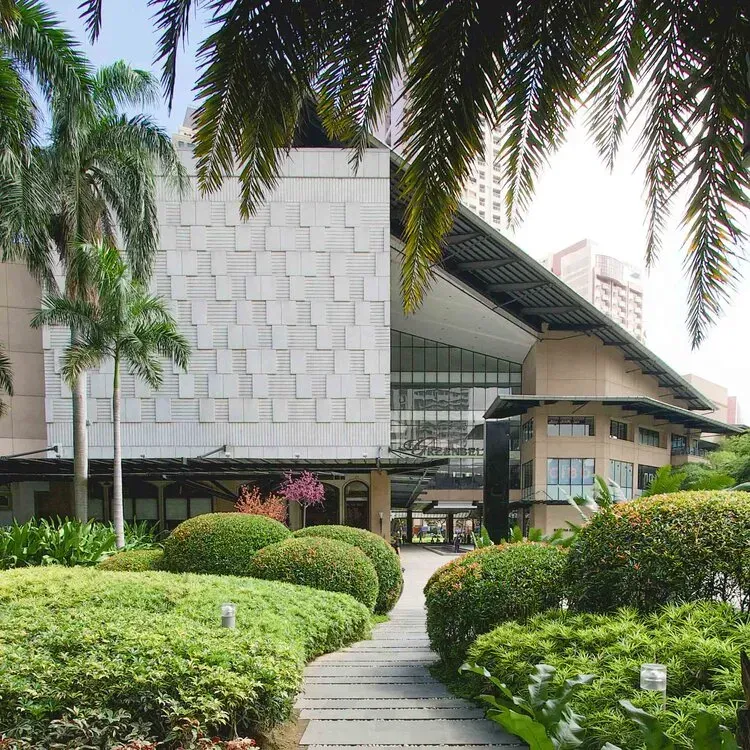
Proximity matters too. From The Grid in San Antonio Village, you can walk to Greenbelt and Glorietta, reach the Ayala MRT station in minutes, and be in Rockwell at Power Plant Mall in under 15. Errands, meetings, grocery runs, and evenings out all happen without a commute attached.
The Best Co-Working Spots Near Your Hostel in Makati
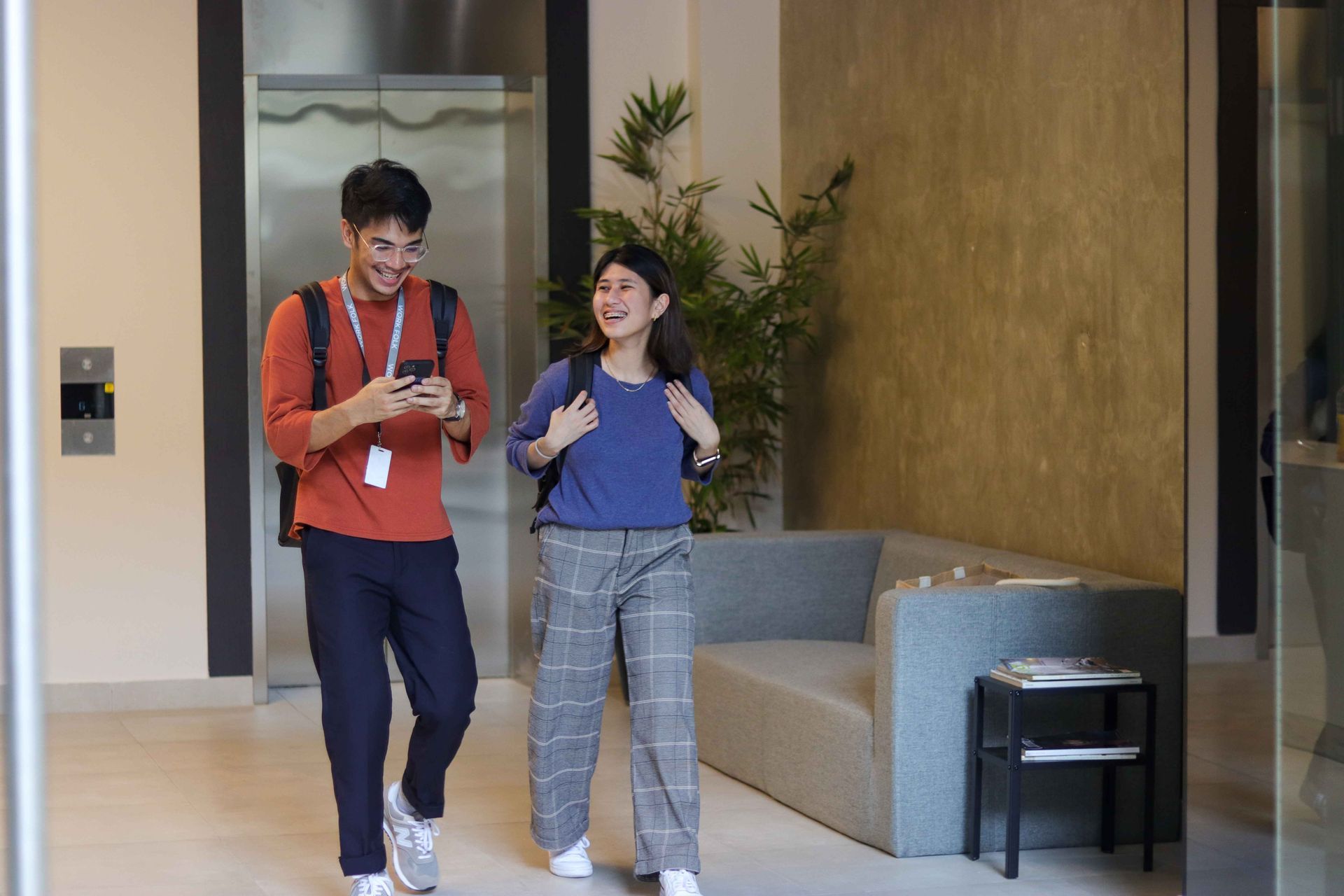
The Grid gives you a dedicated co-working lounge and high-speed WiFi right in your building. Some days, you won't need to leave. But when you want a change of scenery or a more structured focus environment, Makati has solid options close by.
For serious focus days, Common Ground in Salcedo Village is one of the most well-regarded co-working spaces in the metro. The WiFi is strong, the setup is professional, and the membership options are flexible enough for nomads who don't want to commit to a full month upfront. Acceler8 by UnionSPACE is another reliable option if you need meeting rooms or a more corporate feel for client calls.

For laptop-friendly coffee sessions, Yardstick Coffee and Toby's Estate, both in Salcedo, are the kind of specialty coffee shops where staying two to three hours with a laptop is completely normal. The coffee is good, the seating is comfortable, and the crowd is a mix of freelancers, creatives, and young professionals. For longer working sessions, EDSA Beverage Design Studio and Single Origin have the kind of relaxed atmosphere that makes grinding through a task list feel less like work. These are your go-to spots when you need a change of walls without the formality of a co-working membership.
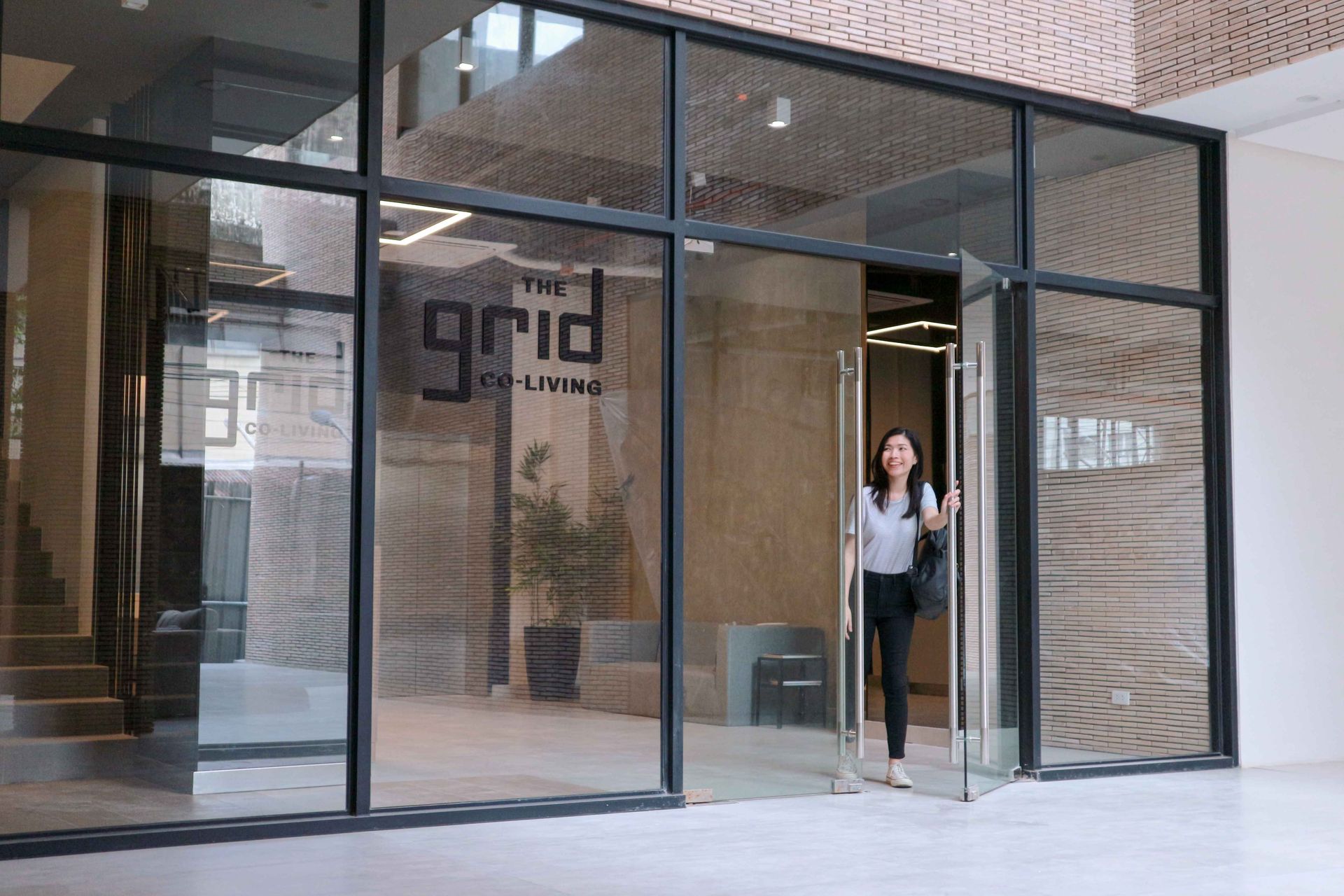
On days when you don't want to go anywhere, The Grid's in-house co-working lounge is there for a 7 AM call, for rainy days, or for when you just want to stay in your zone. Fast WiFi and a productive setup, no membership required.
Building Your Nomad Routine at a Makati Budget Hostel With Real Community
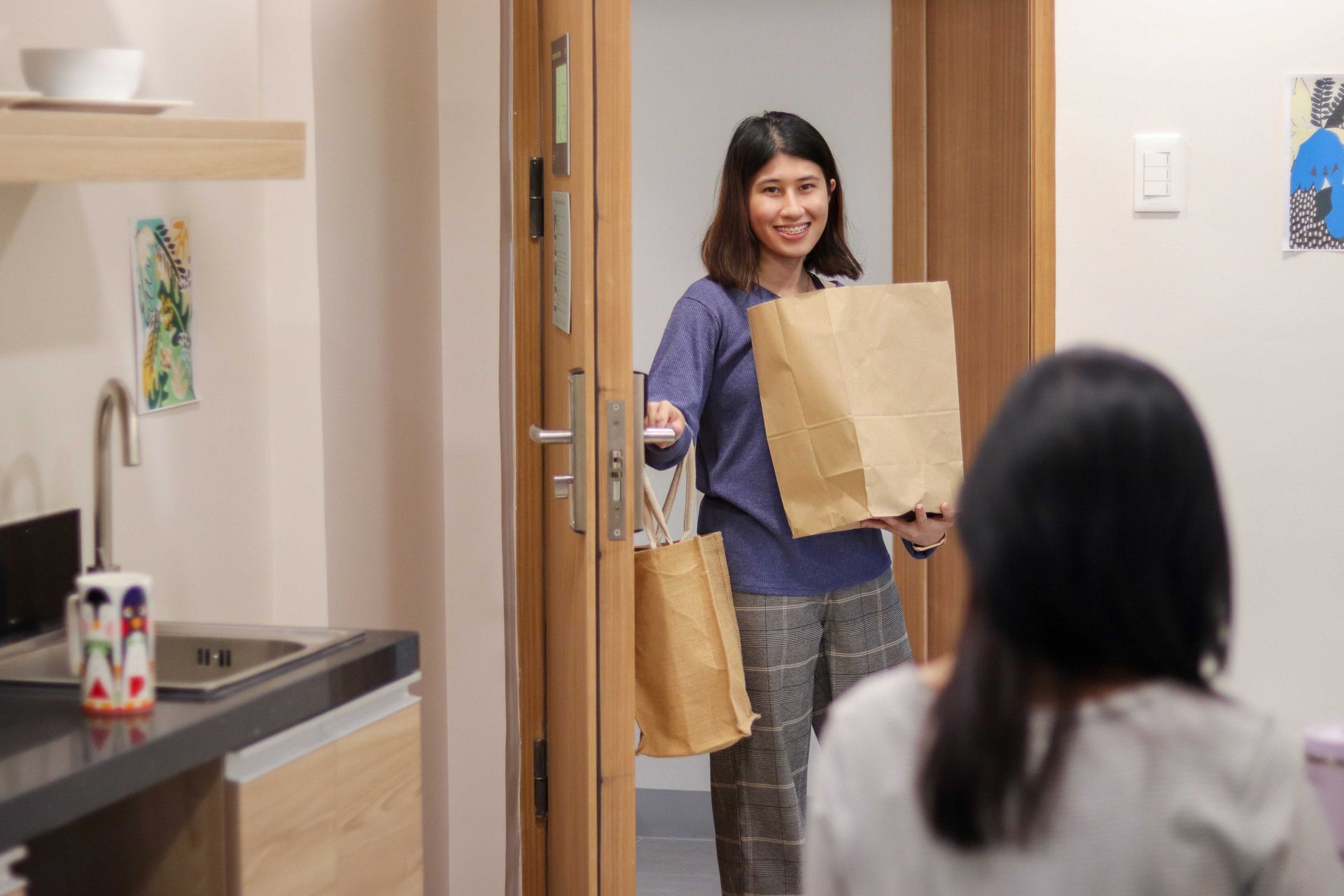
Salcedo Saturday Market and Legazpi Sunday Market are both close by and worth building into your weekend. Fresh produce, local food, and a crowd that's easy to talk to. Ayala Triangle Gardens works for morning runs and midday resets. Greenbelt handles the shopping, dining, and green-space needs that city life requires.
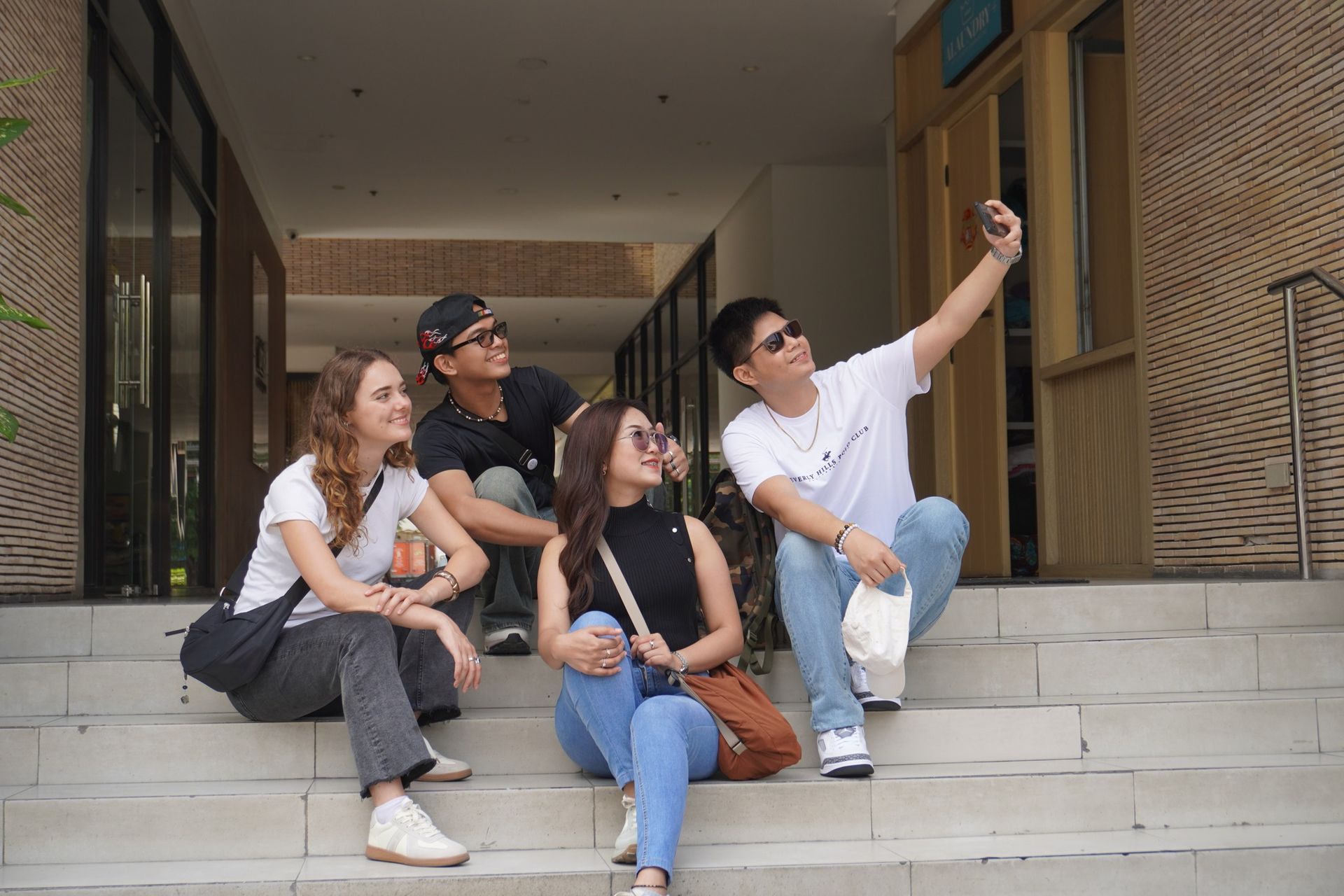
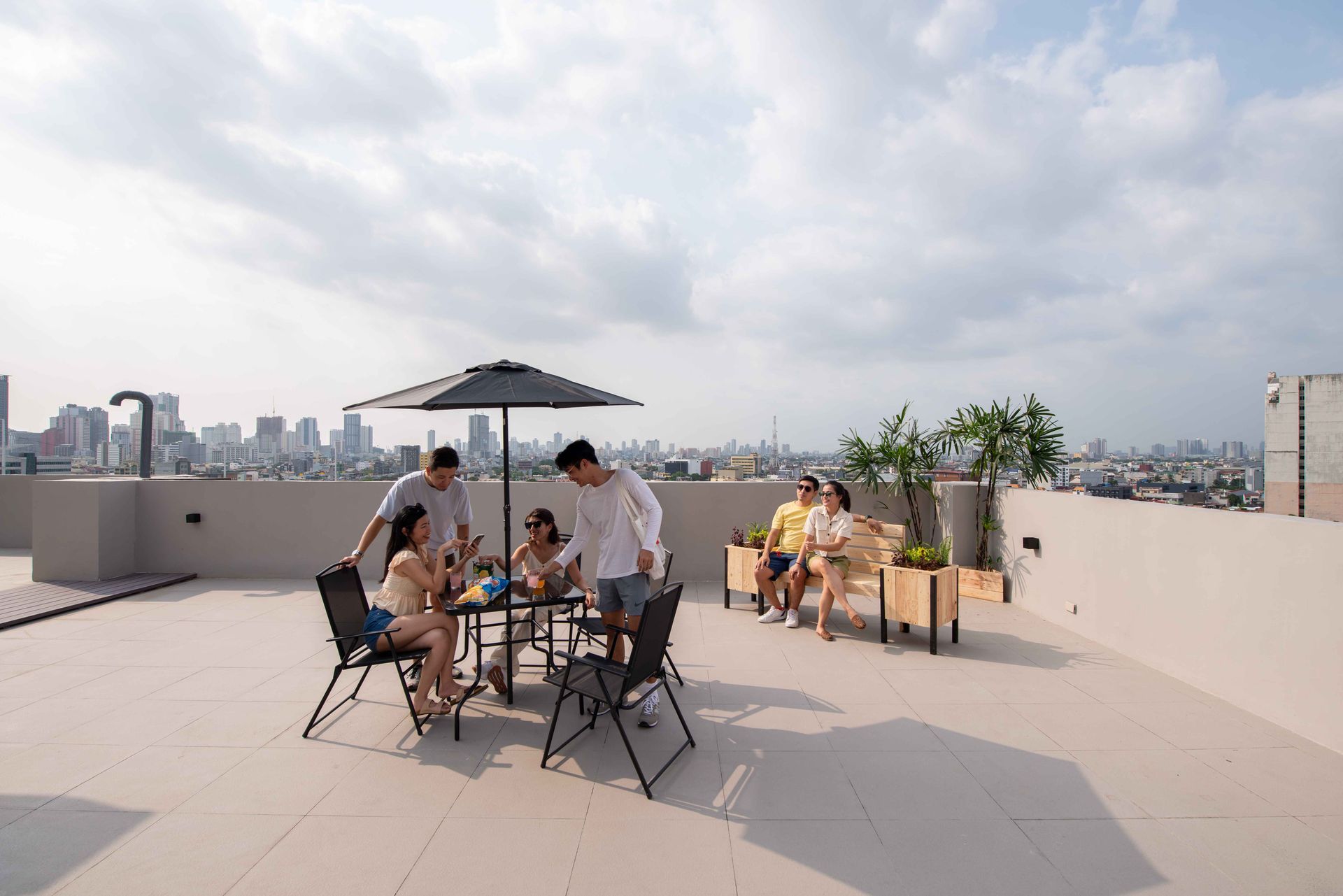
For evenings, Poblacion is a short ride away and is the de facto social hub for Manila's nomad and expat community. Polilya, OTO, and the cluster of bars along Don Pedro and Felipe streets fill up with remote workers and creatives after dark. The Z Hostel rooftop is a reliable spot for meeting people passing through Manila on similar timelines to yours.
Flexible Stays at a Co Living Space Makati Nomads Actually Book
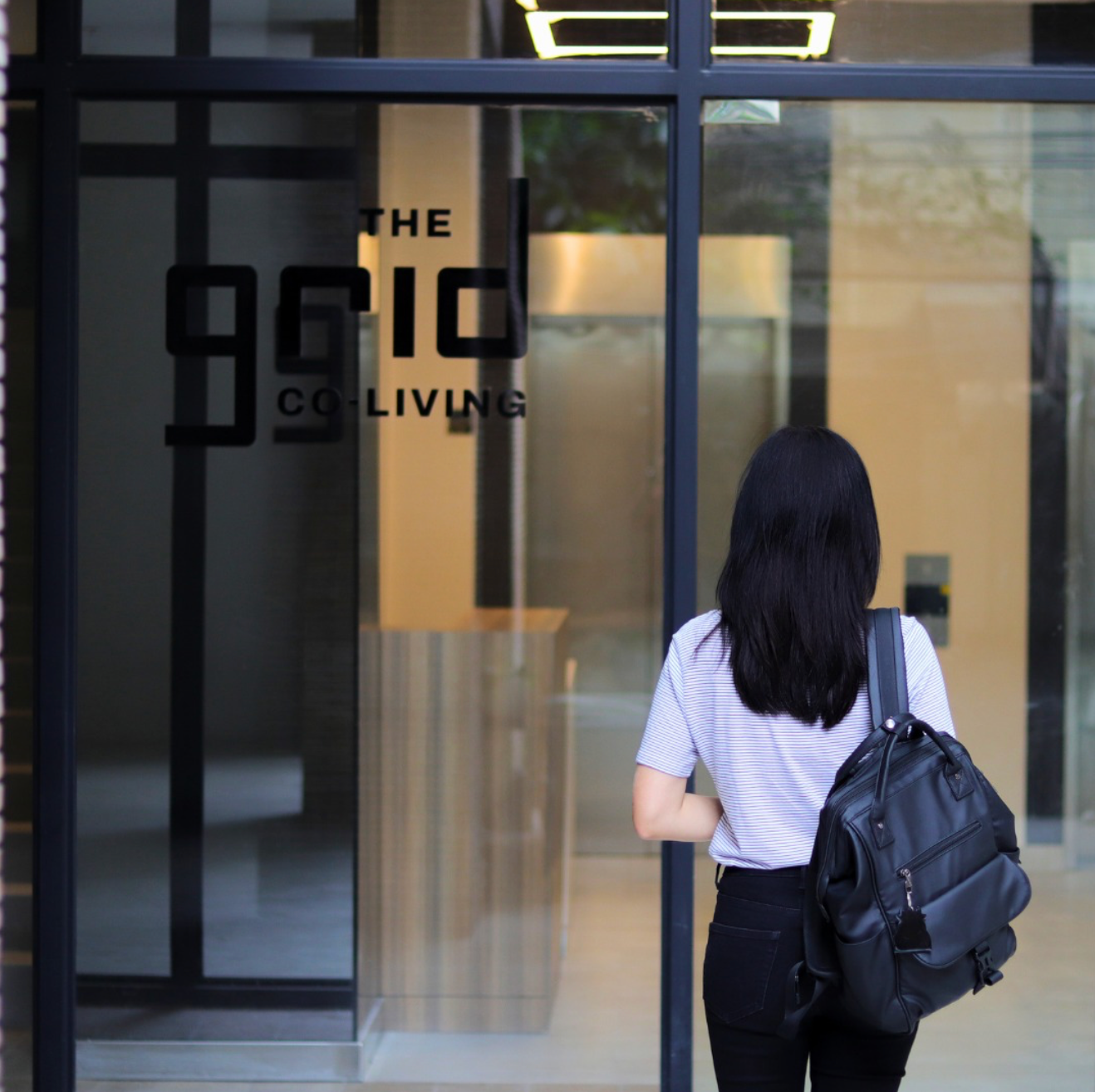
Most accommodation in Makati isn't built for the way nomads actually travel. Hotels want you gone in a week. Long-term apartments want a six-month contract and a local guarantor. Neither fits.
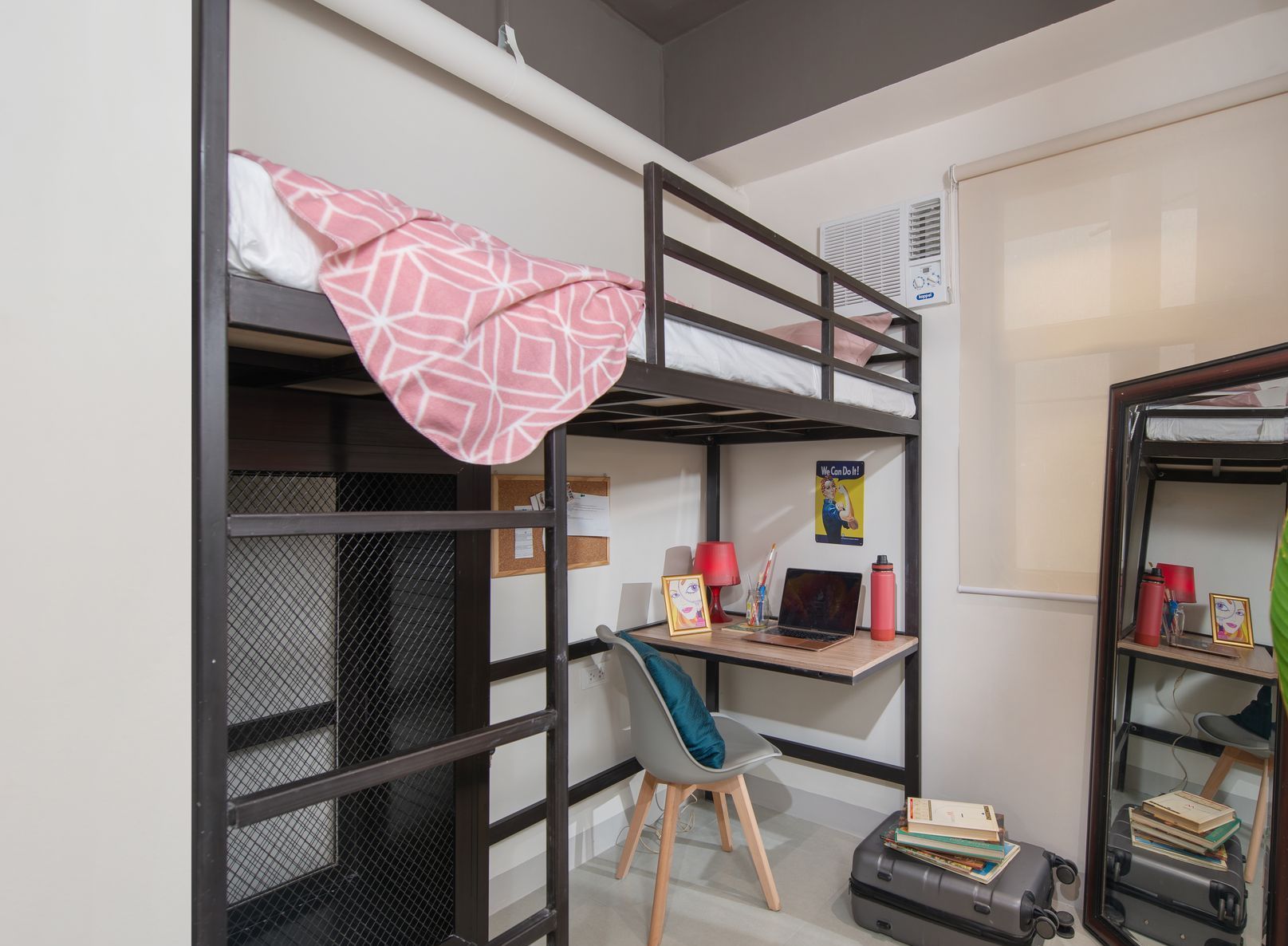
The Grid offers flexible daily and monthly packages built for remote workers. You're not locked into a commitment that doesn't match your plans, and you're not paying hotel rates for an extended stay that should cost less. The all-in pricing covers WiFi, utilities, and full amenity access. One number, nothing unexpected at the end of the month.
This matters more than it sounds. When you're working remotely, your expenses need to be predictable. Knowing exactly what your housing costs each month makes budgeting for the rest of your nomad life significantly easier. You plan around your Makati base instead of recalculating it every few weeks.
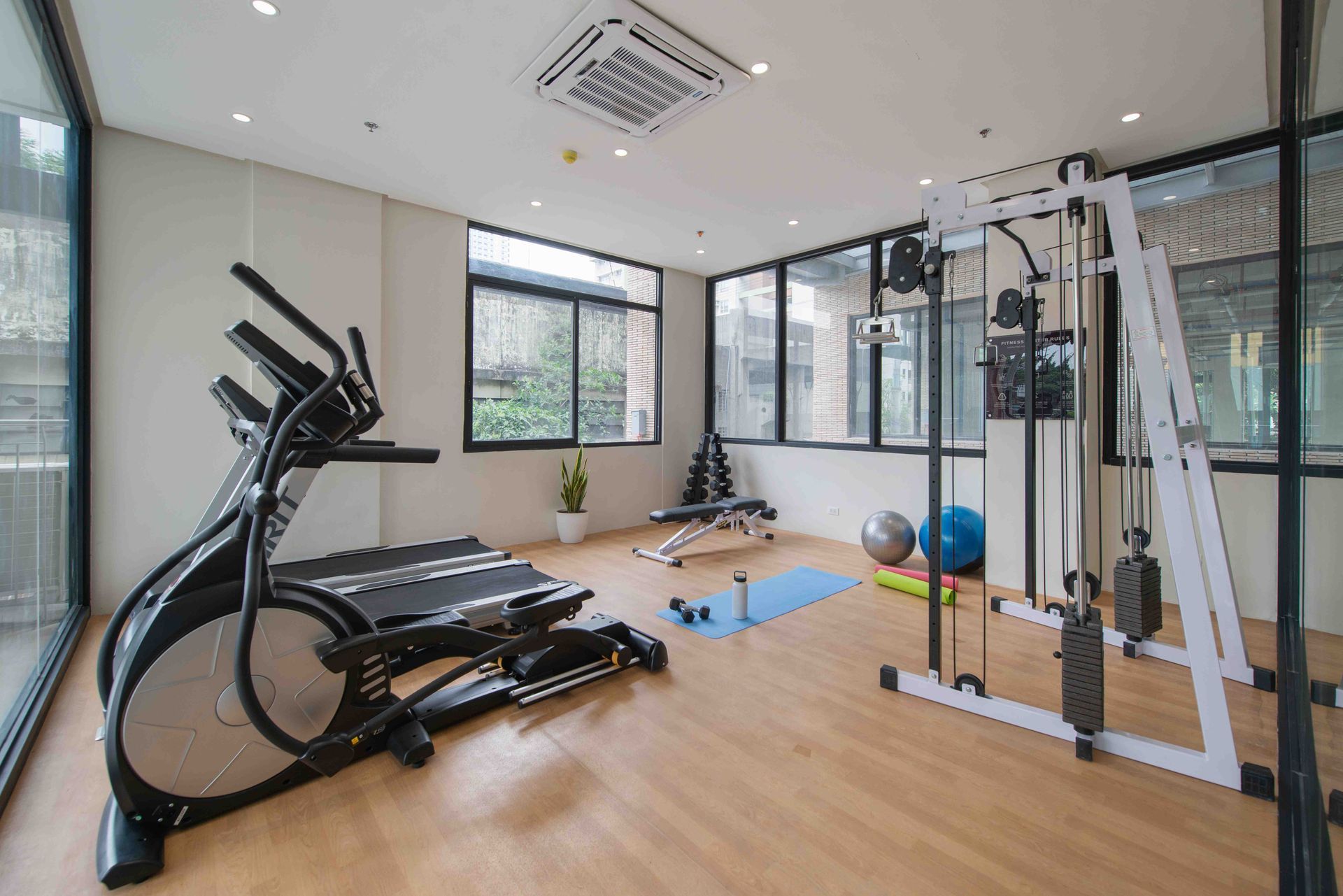
The coliving Makati model also means you're not paying separately for a gym, a co-working day pass, and a pool membership on top of rent. Those are built in. For remote workers doing the math on Southeast Asia destinations, Makati's cost-to-quality ratio holds up, especially when your accommodation is actually set up for the way you work.
Living as a nomad in Makati works best when your base actually supports how you operate. Fast WiFi, a co-working lounge, a rooftop pool, flexible booking terms, and a building full of people on similar paths removes most of the friction that slows down a productive stay in a new city.
The Grid is that base. Whether you're planning two weeks or three months, hop into The Grid and find out which room fits your setup. The dry season window is open now, and beds fill up as more nomads lock in their Manila plans before the rains arrive.